OMAD — One Meal a Day — is exactly what it sounds like. You eat once, typically within a single hour, and fast the rest of the day. In fasting notation it is roughly 23:1. There is an appealing simplicity to it: no windows to track, no second meal to plan. Just one meal, done with intention.
| Fasting window | ~23 hours |
|---|---|
| Eating window | ~1 hour, one meal |
| Frequency | Daily, or a few days a week |
| Difficulty | Advanced |
| Best for | Experienced fasters who value simplicity |
| Skip if | You are new to fasting, pregnant, underweight, or managing blood sugar |
What OMAD is
With OMAD, all your daily nutrition arrives in one sitting. That is its strength and its difficulty at once: there is nothing to think about for 23 hours, but the single meal has to deliver a full day of protein, micronutrients, and energy — which is harder than it sounds.
Why people choose it
Some love the radical simplicity: one meal removes a dozen daily decisions. Others find their appetite settles into a clean, predictable rhythm. And the long daily fast keeps insulin low for most of the day. Done well, OMAD can be calm and sustainable. Done carelessly, it tips into under-eating or a nightly binge.
The biggest OMAD mistake is treating one meal as a small meal. It is not — it is your entire day of protein, vegetables, and energy on one (large) plate. Under-eat here and you will feel it in your sleep, mood, and muscle.
A sample day
- All day — Water, black coffee, unsweetened tea. Electrolytes as needed.
- 6:00pm — Sit down to one large, complete meal. Eat slowly, over 45–60 minutes.
- 7:00pm — Window closes; the next fast begins.
Building the one meal
Your single plate should cover a full day of needs: a large protein serving, plenty of vegetables, quality carbohydrates, and healthy fats. Many OMAD eaters split it into a starter and a main to make the volume manageable. Protein is the non-negotiable — aim high to protect muscle.
Composing a complete OMAD plate
A full day of nutrition in one sitting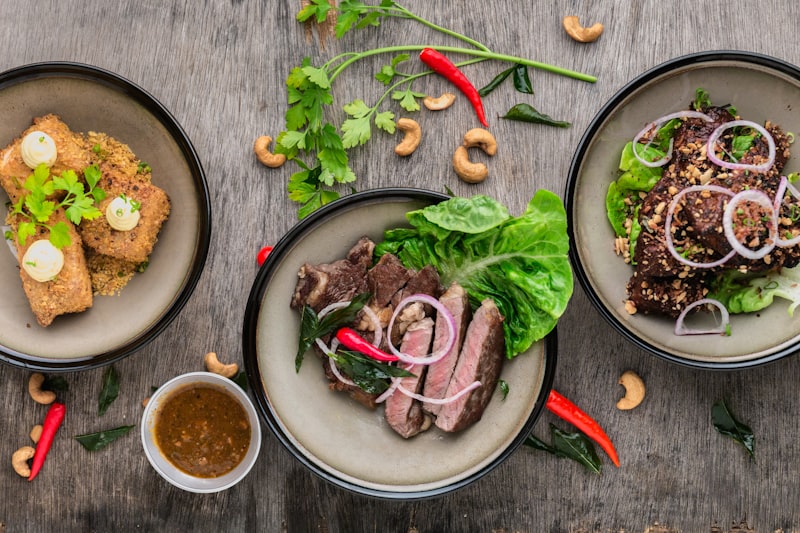
Large protein serving
Lead with 40–50g of protein to protect lean mass.

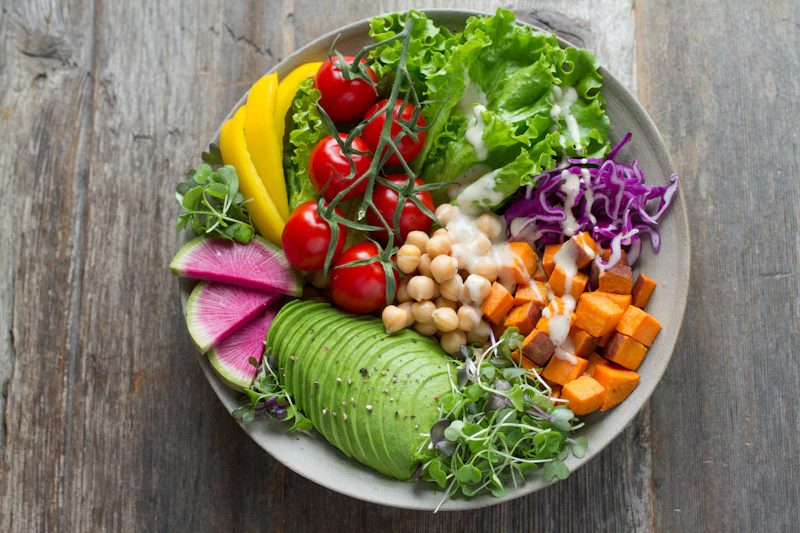
Vegetables, generous
Volume, fibre, and micronutrients in one go.
Yogurt & fruit
A protein-rich finish that does not spike blood sugar.
Who it suits
Best for
- Seasoned fasters who want maximum simplicity
- People with steady, predictable appetites
- Those whose schedule makes one meal easiest
Watch-outs
- Beginners — build up through 16:8 and 18:6 first
- Anyone prone to bingeing or food preoccupation
- Highly active people with large energy needs
- People managing diabetes or blood-sugar issues
Doing it safely
OMAD is the deep end. Reach it gradually, keep your one meal genuinely complete, and supplement electrolytes through the long fast. Track protein deliberately and watch your energy, sleep, and mood. Most people do not need OMAD every day — a few days a week captures much of the benefit with far less strain. If it starts to feel like restriction rather than rhythm, widen the window.
Frequently asked questions
What does OMAD mean?
Is OMAD safe?
How much should I eat on OMAD?
Do I have to do OMAD every day?
References & further reading
- Stote KS, et al. "A controlled trial of reduced meal frequency without caloric restriction in healthy adults." AJCN, 2007.
- Patterson RE, Sears DD. "Metabolic Effects of Intermittent Fasting." Annual Review of Nutrition, 2017.
- Templeman I, et al. "Fasting, energy restriction, and metabolic health." Science Translational Medicine, 2021.
This guide is for general educational purposes and is not medical advice. Intermittent fasting is not appropriate for everyone — including people who are pregnant or breastfeeding, those with a history of disordered eating, or anyone managing diabetes or other medical conditions. Speak with a qualified clinician before making significant changes to how you eat.