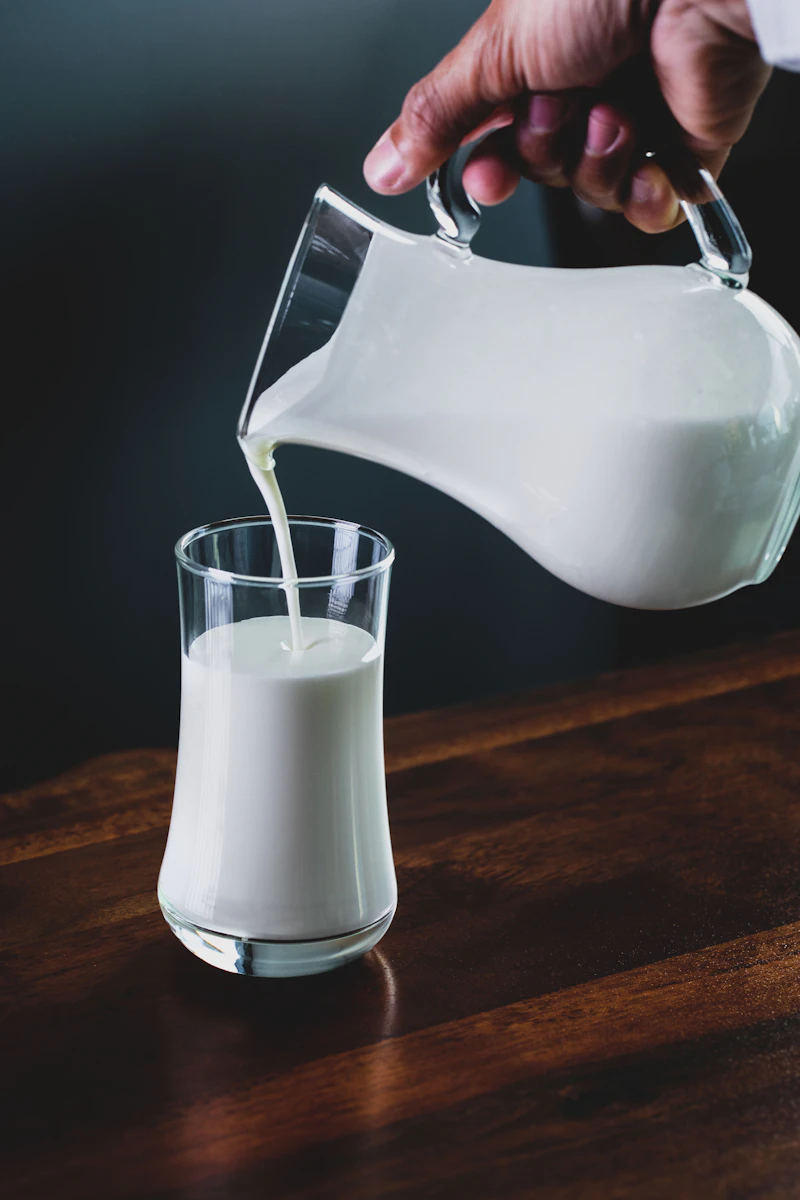
For all the attention we give the fasting window, the meal that ends it gets surprisingly little. Yet the first thing you eat after hours without food has an outsized effect on how you feel for the rest of the day: steady and clear, or bloated and foggy. The good news is that getting it right is mostly about restraint, not rules.
Why the first meal matters
During a fast, your digestive system quiets down. Insulin sits low, your gut slows, and digestive enzyme output tapers. Breaking a long fast with a large, fast-digesting, sugary meal asks all of that to restart at once — which is where the familiar post-meal crash and bloat come from. A gentler first meal lets the system wake up at its own pace.
What to break your fast with
Reach first for foods that are protein-forward, contain some fat and fibre, and do not spike blood sugar. These slow digestion and keep the post-fast insulin response measured.
- Protein and fat first. Eggs, Greek yogurt, fish, or a handful of nuts give your body something to work with without a sugar surge.
- Cooked vegetables over raw. Lightly cooked vegetables are easier on a rested gut than a large raw salad.
- Water with a pinch of salt ten minutes beforehand. Hydration and electrolytes first; food second.
Three gentle first meals
Protein-forward, low-spike, easy on a rested gut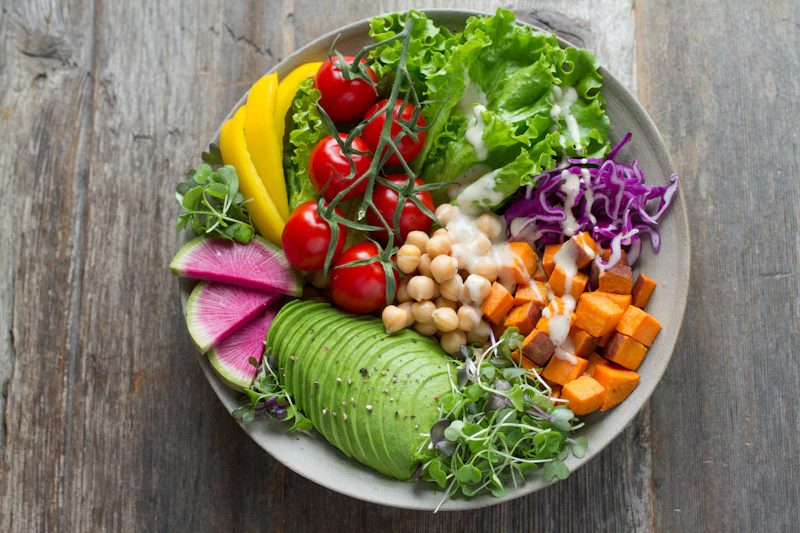
Yogurt & berries
Protein and fat with a little fruit — measured and easy.

Salmon & greens
Omega-3s and fibre make a steadying proper meal.
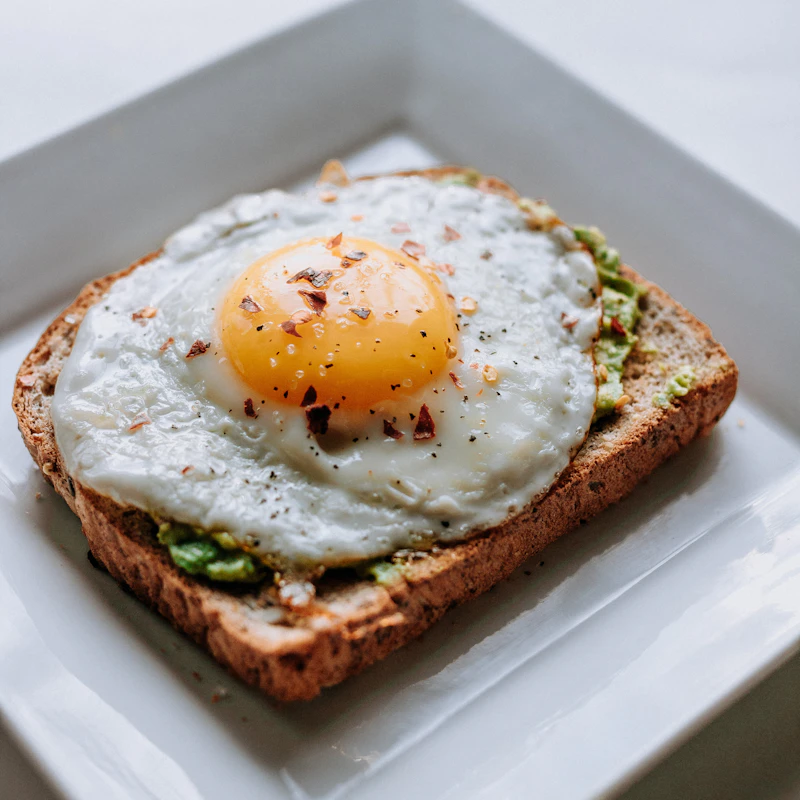
Soft eggs & avocado
Gentle protein and fat; nothing to spike blood sugar.
What to avoid
None of these are forbidden — but as a first bite on an empty stomach, they tend to backfire.
Strengths
- Eggs, yogurt, fish — protein first
- Cooked vegetables and broths
- A small portion, then wait
- Water and electrolytes before food
Trade-offs
- Pastries, juice, sugary cereal
- A very large meal all at once
- Greasy fast food on an empty gut
- Caffeine alone, if it makes you jittery
Black coffee is fine during the fast and after. But if you find that coffee on a truly empty stomach makes you anxious or shaky, pair your first cup with your first bite instead.
After longer fasts
For daily windows like 16:8, you can essentially eat a normal, sensible meal — just lead with protein and do not inhale it. After a 24-hour-plus fast, be more deliberate: start with something small and easy, like bone broth or yogurt, wait an hour, then eat a fuller meal. The longer the fast, the gentler the re-entry.
One simple rule
If you remember nothing else: drink first, lead with protein, start small. Almost everything else takes care of itself. The fast was the discipline; the meal is the reward — treat it like one, and let your body ease back into the day.
References & further reading
- Patterson RE, Sears DD. "Metabolic Effects of Intermittent Fasting." Annual Review of Nutrition, 2017.
- Paoli A, et al. "The Influence of Meal Frequency and Timing on Health in Humans." Nutrients, 2019.
- Templeman I, et al. "A randomized controlled trial to isolate the effects of fasting and energy restriction." Science Translational Medicine, 2021.
This article is for general educational purposes and is not medical advice. Intermittent fasting is not appropriate for everyone — including people who are pregnant or breastfeeding, those with a history of disordered eating, or anyone managing diabetes or other medical conditions. Speak with a qualified clinician before making significant changes to how you eat.