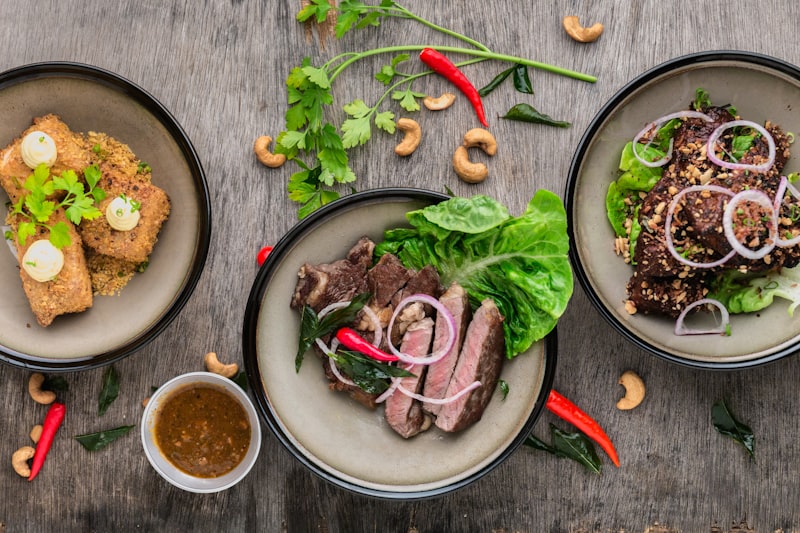
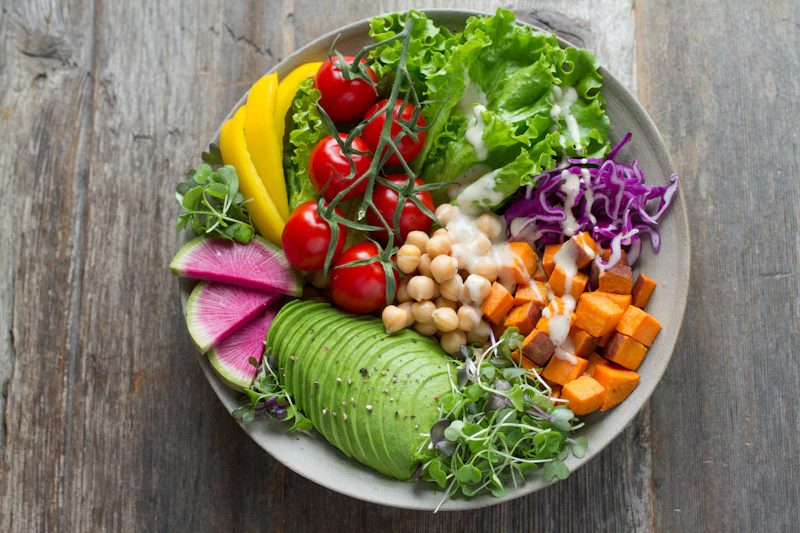
The Warrior Diet, popularised by Ori Hofmekler, predates much of the modern fasting boom. Its premise is simple and a little romantic: under-eat during the day, then eat one large, satisfying meal at night. In practical terms it is a 20:4 protocol — twenty fasted hours, a four-hour window, usually one big meal with perhaps a small starter.
| Fasting window | 20 hours |
|---|---|
| Eating window | 4 hours (usually evening) |
| Frequency | Daily |
| Difficulty | Advanced |
| Best for | Experienced fasters who like ritual and structure |
| Skip if | You are new to fasting, very active, or prone to overeating at night |
What 20:4 is
20:4 compresses nearly all of your eating into a single evening window. Some followers allow small amounts of raw fruit, vegetables, or protein during the day; purists keep the 20 hours clean. Either way, the centre of gravity is one substantial meal — which makes it psychologically simple even as it is physically demanding.
The Warrior idea
The name nods to ancient soldiers who supposedly marched and trained by day and feasted at night. The history is loose, but the structure resonates: a long fasted stretch of focus, then a real meal as a reward. For the right person, that rhythm is genuinely sustainable. For the wrong one, it is a fast track to bingeing.
The danger of 20:4 is not the fasting — it is overshooting in the window. One big meal can quietly become an enormous one. Eat slowly, lead with protein and vegetables, and stop at comfortably full.
A sample day
- All day — Water, black coffee, tea. Optional: a little raw veg or a few berries.
- 5:00pm — Open the window with a light starter: broth or a small salad.
- 6:00pm — The main event: a large, balanced meal.
- 8:30pm — Optional small addition; finish by 9pm.
- 9:00pm — Window closes; 20-hour fast begins.
Eating well in four hours
Hitting your protein and micronutrient targets in one meal takes intention. Build a plate that is genuinely large but genuinely balanced: a big serving of protein, a mountain of vegetables, quality carbs, and healthy fats. This is not the place for a single slice of pizza.
Building one big, balanced meal
Protein + vegetables + quality carbs, generous portions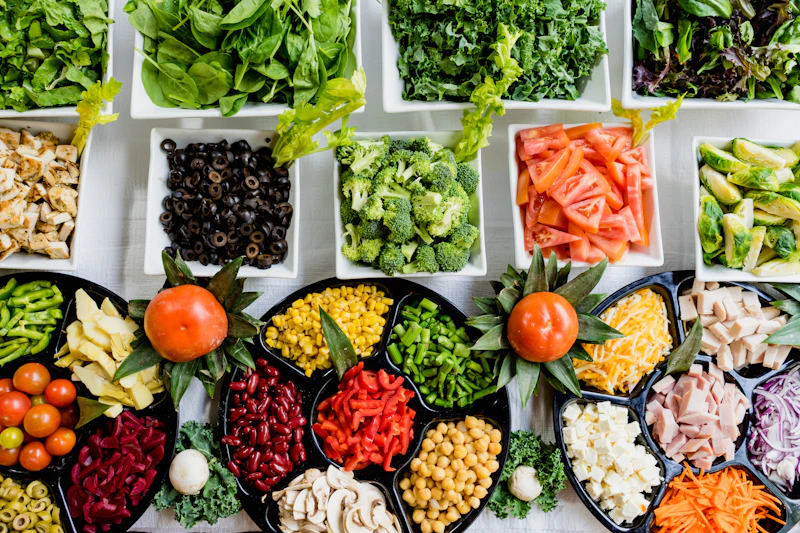
Big protein plate
A generous serving of protein anchors the meal.

Roasted vegetables
Fill half the plate; fibre and micronutrients matter most here.
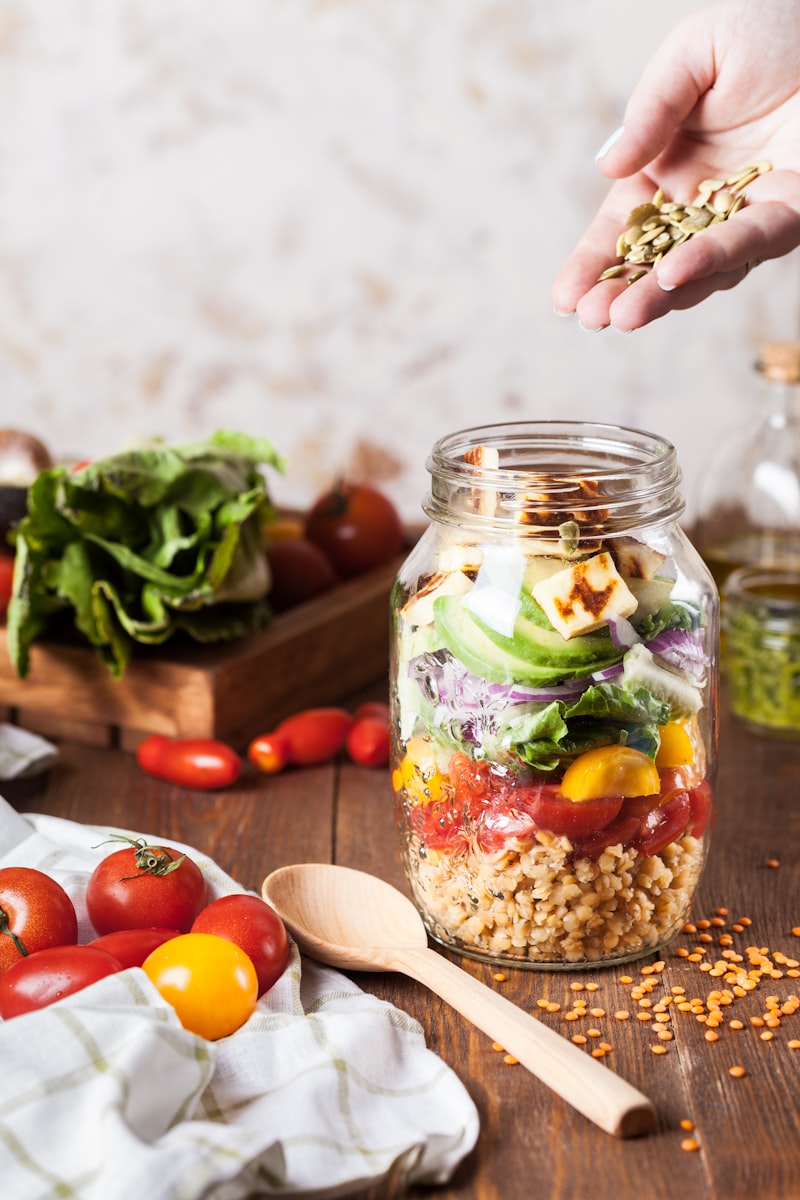
Salt & water first
Rehydrate before the meal after a 20-hour fast.
Who it suits
Best for
- Experienced fasters comfortable past 16–18h
- People who love one big evening meal
- Those who find frequent eating distracting
Watch-outs
- Beginners — start at 16:8 instead
- People who binge or feel out of control with food
- Athletes with high daily energy needs
- Anyone whose sleep suffers from a late large meal
Doing it safely
Arrive here gradually — ideally after months at 16:8 and 18:6. Prioritise protein and vegetables, supplement electrolytes on the long fasted hours, and watch your sleep and mood closely. If you notice creeping preoccupation with food or loss of control in the window, step back to a wider eating window without hesitation. 20:4 is a tool, not a test of willpower.
Frequently asked questions
What is the Warrior Diet?
Can beginners do 20:4?
What is the biggest risk of 20:4?
Can I build muscle on the Warrior Diet?
References & further reading
- Stote KS, et al. "A controlled trial of reduced meal frequency without caloric restriction." American Journal of Clinical Nutrition, 2007.
- Tinsley GM, et al. "Time-restricted feeding in young men performing resistance training." European Journal of Sport Science, 2017.
- de Cabo R, Mattson MP. "Effects of Intermittent Fasting on Health, Aging, and Disease." NEJM, 2019.
This guide is for general educational purposes and is not medical advice. Intermittent fasting is not appropriate for everyone — including people who are pregnant or breastfeeding, those with a history of disordered eating, or anyone managing diabetes or other medical conditions. Speak with a qualified clinician before making significant changes to how you eat.